
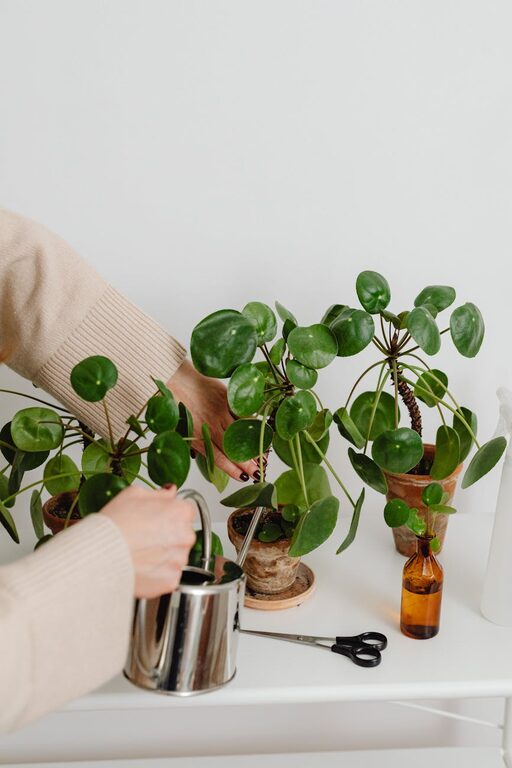
Bringing houseplants into your home not only adds a touch of nature but also improves air quality and enhances your living space. However, keeping indoor plants healthy requires some attention and care. Whether you’re a seasoned plant parent or just starting your indoor gardening journey, these tips will help your houseplants thrive.
Choose the Right Plants for Your Space
Not all plants are suited for every environment. Before bringing a new plant home, consider the amount of light your space receives:
– Low Light: Plants like snake plants, pothos, or ZZ plants thrive in lower light.
– Medium Light: Spider plants and peace lilies do well with moderate brightness.
– Bright Light: Succulents, cacti, and fiddle leaf figs need plenty of direct or indirect sunlight.
Choosing plants that match your lighting conditions reduces stress on the plant and helps prevent common issues like leaf drop or slow growth.
Provide Appropriate Watering
One of the most common mistakes in houseplant care is improper watering. Both overwatering and underwatering can harm your plants.
How to Water Correctly
– Check Soil Moisture: Insert your finger about an inch into the soil. If it’s dry, it’s time to water.
– Use Room Temperature Water: Avoid cold water to prevent shocking the roots.
– Drain Excess Water: Ensure your pots have drainage holes and empty excess water to prevent root rot.
– Water Consistently: Establish a regular watering schedule based on the plant’s needs and the season, as plants often require less water during winter.
Ensure Proper Light Exposure
Light is essential for photosynthesis, the process that fuels plant growth.
– Rotate Plants Regularly: Turning your plants every week helps them grow evenly and prevents leaning.
– Filter Direct Sunlight if Needed: Some plants can get scorched by strong direct sunlight; use curtains or move them slightly away from the window.
– Consider Grow Lights: If natural light is insufficient, especially during darker months, LED grow lights can provide the needed light spectrum.
Maintain Ideal Humidity and Temperature
Indoor plants come from diverse environments—tropical, desert, or temperate—and have varied humidity and temperature preferences.
– Humidity: Many houseplants, like ferns and palms, enjoy higher humidity. Use a humidifier, place plants on a water-filled pebble tray, or group plants together to raise humidity levels.
– Temperature: Keep plants away from cold drafts, radiators, or air conditioning vents. Most houseplants prefer temperatures between 65°F and 75°F (18°C to 24°C).
Feed Your Plants with Fertilizer
Plants need nutrients to grow, but over-fertilizing can damage roots and leaves.
– Choose the Right Fertilizer: Use a balanced, water-soluble fertilizer, or one specifically designed for your plant type.
– Follow Instructions: Fertilize during the growing season (usually spring and summer). Reduce or stop feeding during dormancy or winter.
– Avoid Overfeeding: Excess fertilizer salts can build up in soil, leading to leaf burn.
Keep Your Plants Clean and Monitor Health
Dust and pests can interfere with a plant’s ability to photosynthesize and absorb nutrients.
– Clean Leaves Regularly: Wipe leaves gently with a damp cloth to remove dust.
– Check for Pests: Look for signs of aphids, spider mites, or scale insects. Treat infestations promptly using natural remedies or insecticidal soap.
– Prune Dead or Yellow Leaves: This promotes new growth and prevents disease.
Repot When Necessary
As plants grow, they may outgrow their pots or the soil can become compacted.
– Signs to Repot: Roots growing out of drainage holes or circling the surface of the soil.
– Choose the Right Pot: Pick a pot slightly larger than the current one with proper drainage.
– Use Fresh Soil: Repotting with fresh potting mix provides new nutrients and better aeration.
Tips for Specific Common Houseplants
Here are quick care tips for a few popular indoor plants:
– Spider Plant: Thrives in bright to moderate indirect light. Water when the top inch of soil is dry.
– Succulents: Need bright light and infrequent watering; soil should dry out completely between waterings.
– Peace Lily: Prefers medium to low light and consistently moist soil but avoid waterlogging.
– Fiddle Leaf Fig: Needs bright, filtered light and regular watering, but soil should dry out between watering.
Conclusion
With the right care, patience, and attention, your houseplants can flourish and become a beautiful, healthy part of your home environment. Remember to observe your plants regularly, adjust care as needed, and enjoy the rewarding process of indoor gardening. Happy planting!