
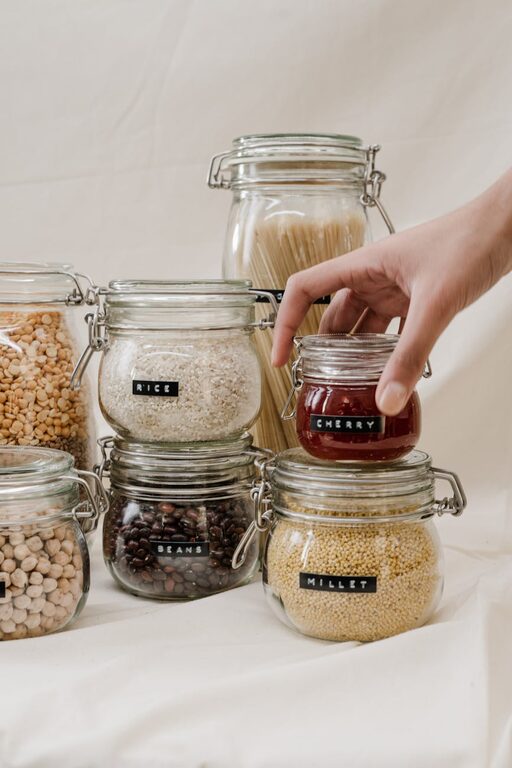
Planning meals from pantry staples is a smart and practical way to simplify your cooking routine, save money, and reduce food waste. You don’t need a fridge full of fresh ingredients to whip up tasty and nutritious dishes. With a well-stocked pantry and a bit of creativity, you can turn simple staples into satisfying meals any day of the week.
In this post, we’ll explore how to assess your pantry, plan balanced meals, and share some easy ideas to get you started.
Why Plan Meals from Pantry Staples?
Pantry staples are non-perishable or long-lasting ingredients such as rice, canned beans, pasta, canned tomatoes, dried herbs, and spices. They form the backbone of countless recipes and are perfect when fresh produce or groceries aren’t readily available.
By planning meals from what you already have:
– You reduce last-minute trips to the store.
– You minimize waste by using ingredients before they expire.
– You get creative with your cooking.
– You can often prepare meals quickly and affordably.
Step 1: Take Stock of Your Pantry
Before planning meals, take a few minutes to inventory your pantry. Group items into categories such as:
– Grains and pasta (rice, quinoa, pasta)
– Canned goods (beans, tomatoes, vegetables)
– Baking essentials (flour, sugar, baking powder)
– Spices and oils (salt, pepper, olive oil, dried herbs)
– Snacks and extras (nuts, dried fruit, broth cubes)
Make a list of key ingredients you have in decent quantities to build meals around.
Step 2: Identify Meal Components
A balanced meal typically includes protein, carbohydrates, and vegetables or fruits. Think about which pantry staples can serve each role:
– Proteins: canned beans, lentils, chickpeas, peanut butter, canned tuna or salmon
– Carbohydrates: pasta, rice, couscous, potatoes, oats
– Vegetables: canned tomatoes, canned or jarred vegetables, frozen vegetables if available
– Flavor enhancers: spices, herbs, garlic powder, vinegar, soy sauce
If you can pair pantry staples with one or two fresh ingredients (like an onion, carrot, or leafy greens), you’ll add freshness and nutrition.
Step 3: Plan Simple Recipes
Here are some easy recipe ideas that rely mostly on pantry staples:
1. One-Pot Pasta with Beans and Tomatoes
– Cook pasta according to package directions.
– In the same pot, add a can of drained beans and canned diced tomatoes.
– Season with garlic powder, oregano, salt, and pepper.
– Simmer until heated through. Serve with a drizzle of olive oil.
2. Chickpea Curry
– Sauté onions or onion powder (if fresh onions unavailable) in oil.
– Add a can of chickpeas, canned tomatoes, curry powder, and coconut milk or broth.
– Simmer until heated and flavors blend.
– Serve with rice or naan bread.
3. Rice and Beans Bowl
– Cook rice.
– Warm canned beans with cumin, chili powder, salt, and pepper.
– Top rice with beans, salsa (if available), and a squeeze of lime juice.
4. Lentil Soup
– Combine dried or canned lentils with broth cubes, canned vegetables, garlic powder, and herbs.
– Simmer until lentils are tender.
– Add salt and pepper to taste.
Step 4: Batch Cook and Store
When you have time, cook larger portions of pantry-based meals to store in containers for quick lunches or dinners throughout the week. Most bean and rice dishes keep well in the refrigerator for 3-4 days and freeze nicely for longer storage.
Step 5: Gradually Replenish and Customize Your Pantry
Keep track of which pantry staples you use most often and replenish them regularly. You might also want to add some versatile extras such as:
– Shelf-stable plant-based milks
– Jarred pesto or tomato sauces
– Canned coconut milk
– Various dried herbs and spice blends
These items can add variety and depth to your meals.
Tips for Success
– Be flexible: Use what you have and be willing to swap ingredients.
– Get creative: Combine staples in new ways and experiment with seasonings.
– Use online resources: Many websites and apps help suggest recipes based on pantry ingredients.
Conclusion
Planning meals with pantry staples is an achievable and rewarding way to enjoy home-cooked food without the stress of last-minute shopping. With a well-organized pantry and a little practice, you can create tasty, balanced meals any time, even when fresh ingredients are limited. Start by taking stock of your pantry, planning simple meals around what you have, and gradually expanding your roster of staples to keep your cooking interesting and enjoyable.
Happy cooking!