
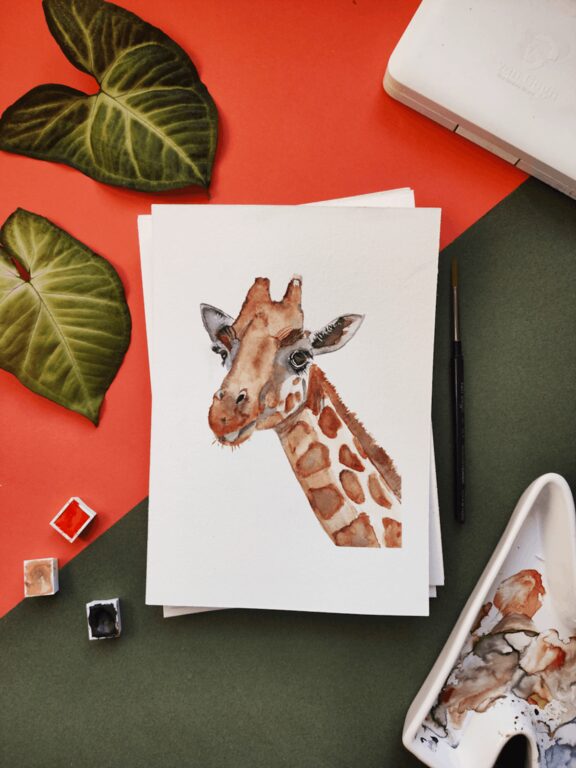
Creativity is often thought of as a talent reserved for artists or writers, but it’s actually a skill that anyone can develop with regular practice. Cultivating creativity daily can improve problem-solving, enhance your mood, and bring more joy and innovation into everyday life. Fortunately, you don’t need special tools or a lot of time to get started. Here are some simple ways to practice creativity every day, helping you nurture your imaginative side without stress or pressure.
Why Practice Creativity Daily?
Before diving into tips, it’s helpful to understand why daily creativity matters. Like any skill, creativity grows stronger the more you use it. When you engage in creative activities regularly, your brain builds new connections that make thinking outside the box easier. Plus, creativity can boost confidence and reduce stress by offering a fun outlet for self-expression.
1. Keep a Daily Journal
Writing is one of the easiest ways to spark creativity. It doesn’t have to be fancy—just five minutes a day to jot down thoughts, ideas, observations, or even doodles can help. Journaling allows your brain to explore freely without judgment.
Tips for journaling:
– Write about a daily experience or something that inspired you.
– Try free writing: set a timer for 5 minutes and write continuously.
– Use prompts like “What made me smile today?” or “If I could invent something, what would it be?”
2. Practice Mindful Observation
Creativity begins with noticing the world around you. Take a moment each day to observe your environment mindfully. This means paying attention to small details often overlooked—the way light falls on a tree, the colors of a sunset, or the patterns on a coffee cup.
How to practice:
– Pause during routine activities and focus on what you see, hear, and feel.
– Take photos or make quick sketches of things that catch your attention.
– Write down sensory details and sensations.
3. Try New Things Regularly
Stepping outside your comfort zone stimulates new neural pathways and sparks creative thinking. You don’t have to make big changes—small new experiences add up.
Ideas to try:
– Sample a different cuisine or recipe.
– Take a different route on your walk or commute.
– Experiment with a new hobby, like knitting, drawing, or playing a musical instrument.
– Attend a virtual workshop or watch a documentary on an unfamiliar topic.
4. Set Aside Time for Creative Play
Play isn’t just for kids. Allowing yourself time to experiment without goals or judgment is key to cultivating creativity.
Ways to play creatively:
– Build with LEGO, play with clay, or try simple crafts.
– Write a short story or poem just for fun.
– Create a collage using magazine cutouts or digital tools.
– Experiment with mixing colors or taking abstract photos.
5. Limit Screen Time and Encourage Analog Activities
Technology offers great tools but can also overwhelm your brain with constant information. Reducing screen time frees space for imagination and reflective thinking.
Suggestions:
– Dedicate at least 30 minutes a day to an offline creative activity.
– Read a physical book or magazine rather than scrolling online.
– Use paper and pen for note-taking or sketching ideas.
6. Ask “What If” Questions
Curiosity opens the door to creative thinking. Make it a habit to challenge assumptions and imagine possibilities.
Examples:
– “What if I approached this project differently?”
– “What if animals could talk—what would they say?”
– “What if I combined these two unrelated ideas?”
Writing these questions and brainstorming answers can be a fun exercise.
7. Collaborate or Share Your Ideas
Creativity often grows through interaction. Talking to others about your thoughts can offer new perspectives.
How to collaborate:
– Join a local or online creative group.
– Share your journal ideas or art with a friend for feedback.
– Brainstorm solutions with coworkers or family members.
8. Practice Gratitude to Inspire Creativity
Gratitude can shift your mindset to focus on abundance and possibility, which nurtures creative thinking.
Try this:
– Each day, write down three things you are grateful for.
– Reflect on how these things inspire or connect to your creative interests.
Conclusion
Incorporating creativity into your daily routine doesn’t have to be complicated or time-consuming. By journaling, observing mindfully, trying new things, playing freely, reducing screen time, asking imaginative questions, collaborating, and practicing gratitude, you build a strong creative habit. Over time, these small efforts can lead to big changes—more original ideas, deeper problem-solving skills, and an enriched sense of fulfillment. So why not start today? Creativity is waiting to blossom in simple, everyday moments.