
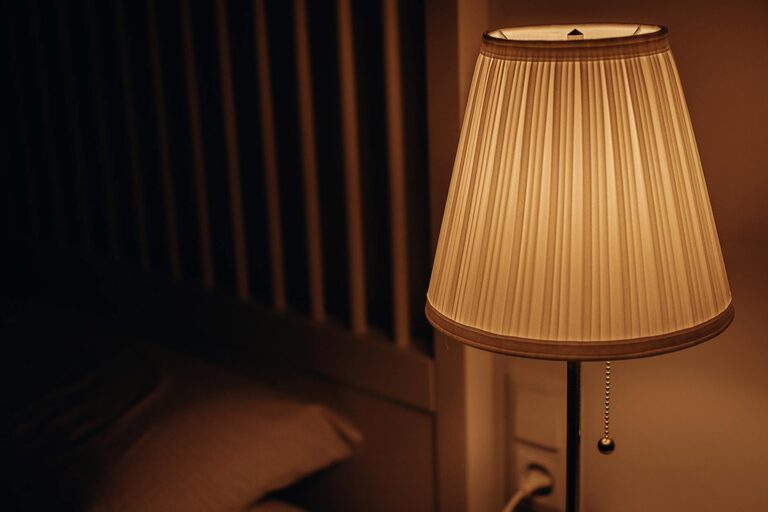
Creating a cozy and inviting atmosphere starts with the right lighting. Whether you’re reading a book, hosting guests, or simply relaxing, comfortable home lighting plays a crucial role in setting the mood and ensuring your space feels welcoming. However, choosing the perfect lighting can be overwhelming with so many options available. This guide will help you understand how to select lighting that’s both comfortable and functional for your home.
Why Comfortable Lighting Matters
Lighting affects not only how a room looks but also how you feel within it. Poor lighting can cause eye strain, headaches, and fatigue. On the other hand, well-planned lighting can improve your mood, increase productivity, and highlight your home’s best features. Comfortable lighting balances brightness, color, and placement to create a pleasant environment.
Understand Different Types of Lighting
Before choosing your fixtures, it’s important to know the three main types of lighting and their roles:
Ambient Lighting
This is your room’s general lighting, intended to provide overall illumination. Examples include ceiling-mounted lights or large pendant lamps. Ambient light should be soft and evenly distributed to avoid harsh shadows.
Task Lighting
Task lighting focuses on specific areas where activities take place, such as reading, cooking, or working. Desk lamps, under-cabinet lights, or adjustable floor lamps serve this purpose. The goal is to provide enough light without glare for the task at hand.
Accent Lighting
Accent lighting adds depth and highlights decorative elements like artwork, plants, or architectural features. Wall sconces, track lights, or small spotlights can create a layered and interesting space.
Consider Brightness and Color Temperature
Brightness (Lumens)
Brightness is measured in lumens, not watts, and selecting the correct brightness is essential. Too bright can be overwhelming; too dim may cause discomfort.
– Living rooms and bedrooms: Aim for 1,500 to 3,000 lumens of ambient light.
– Kitchens and bathrooms: Higher brightness between 3,000 to 4,000 lumens is helpful for detailed tasks.
– Reading or work areas: Use task lighting around 450–800 lumens for focused illumination.
Color Temperature (Kelvin)
Color temperature affects the ambiance and your comfort level.
– Warm white (2700K–3000K): Creates a cozy, inviting atmosphere perfect for living rooms and bedrooms.
– Neutral white (3500K–4100K): Balances warmth and coolness, good for kitchens and workspaces.
– Cool white (5000K–6500K): Mimics daylight, boosting focus, ideal for offices or garages but can feel harsh in living areas.
Choose the Right Fixtures and Bulbs
Fixture Style and Placement
Select fixtures that complement your room’s style while ensuring practical placement.
– Ceiling lights: Ideal for ambient lighting in most rooms.
– Floor and table lamps: Great for flexible task or accent lighting.
– Pendant lights: Offer style and focused light, often used above dining tables or kitchen islands.
Bulb Types
Each bulb type has pros and cons related to comfort and energy efficiency:
– LED bulbs: Energy-efficient, long-lasting, and available in a range of color temperatures.
– CFL bulbs: Efficient but slower to warm up compared to LEDs.
– Incandescent bulbs: Provide warm light but less energy-efficient and shorter lifespan.
LED bulbs are often the best choice for comfortable and sustainable lighting.
Use Dimmers and Controls
Dimmers allow you to adjust brightness levels based on time of day or activity, enhancing comfort and creating ambiance. Smart lighting systems can offer remote control via apps, scheduling, and integration with other home devices, adding convenience and customization.
Maximize Natural Light
Natural light has many benefits, including improving mood and reducing the need for artificial lighting during the day. To make the most of it:
– Keep windows clear of heavy drapes or obstructions.
– Use light-colored walls and reflective surfaces to bounce light.
– Position mirrors opposite windows to increase brightness.
Balancing natural and artificial lighting ensures your home feels bright yet cozy.
Tips for Specific Rooms
Living Room
Layer ambient, task, and accent lighting. Use warm color temperatures and place lamps near seating areas.
Kitchen
Focus on bright, neutral-colored lighting for cooking tasks. Under-cabinet lights improve visibility on countertops.
Bedroom
Choose dimmable warm lights to create a relaxing environment. Nightlights or soft accent lights can aid nighttime navigation.
Bathroom
Bright, neutral lighting around mirrors helps with grooming, while softer ambient lighting contributes to relaxation.
Final Thoughts
Choosing comfortable home lighting is about finding balance—enough brightness without glare, warm colors that soothe, and flexible options to adapt the mood. Assess your needs room by room, invest in good-quality bulbs and fixtures, and remember that layering different types of light makes all the difference. With a little planning, your home can become a haven of comfortable, beautiful lighting.